How Can You Detect Hidden Leaks Before They Cause Major Damage?
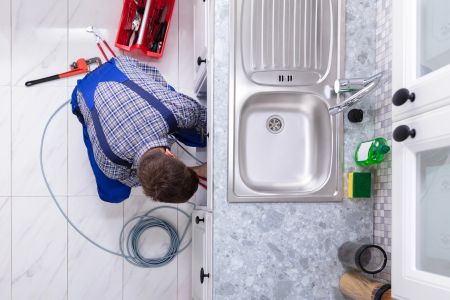
Hidden water leak signs rarely shout for attention. In many Crowsnest Pass, AB, homes, slow seepage starts behind a wall, under a floor, or below the slab. Weeks later, you notice a musty smell, a small stain, or a surprising utility bill. Catching issues early is the key to water damage prevention, and your first line of defense is learning what to watch for, then calling a trusted plumbing repair specialist to investigate.
Use this straightforward plumbing inspection guide to understand what signals matter and why they appear. You will learn how pros detect plumbing leaks with modern tools so your home stays protected. For more context on care around the house, start with practical insights on home leak detection that help you act quickly and confidently.
Crowsnest Pass weather brings freeze-thaw cycles, cold snaps, and sudden melts. Those swings can stress pipes in older homes and even in newer builds. If you live in Blairmore, Coleman, Frank, Bellevue, or Hillcrest, you may know how quickly temperature changes can turn a tiny drip into a bigger problem. Early attention keeps repairs smaller and protects finishes, floors, and foundations.
Why Hidden Water Leaks Are So Destructive In Crowsnest Pass
Water always travels to the easiest path. In our mountain climate, that path can be along a joist, behind insulation, or under a basement slab. Because leaks often run sideways before they show up, the stain you see is not always the source. By the time a ceiling spot appears, moisture may have already soaked framing and drywall, inviting mold and warping wood.
Freeze-thaw changes also expand and contract copper, PEX, and fittings. Repeated movement can loosen connections or create pinholes. If ice forms in a vulnerable section, pressure may push water to a weaker point downstream. That is why you might see damage several feet from where the actual leak started.
Hidden Water Leak Signs You Should Never Ignore
Watch for sudden water pressure drops. A sharp change at one or more fixtures can signal a problem in the line supplying that area. Other clues often show up in patterns. Notice how and where they appear so a plumber can trace the source faster.
- An unexplained spike in your water bill from month to month, even with the same household habits
- A faint hiss or trickle behind walls when all taps and appliances are off
- Musty or earthy odors in one room or closet that return after cleaning
- Warm spots on floors that could point to a leaking hot water line under tile or concrete
- Peeling paint, bubbling drywall, or hairline cracks that darken after showers
- Persistent dampness around baseboards or under a sink with no visible drip
- Localized mold growth on a wall shared with a bathroom or laundry
- Patches of greener grass or soft soil over a buried line outside
Each sign alone may have another cause. Together they form a story that helps your plumber find the problem with less guesswork.
What Causes High Water Bills Without Obvious Leaks
High water bill causes often hide in places you cannot easily see. A worn toilet flapper can pass water quietly into the bowl for weeks. An aging ice maker line can seep behind your fridge. Irrigation valves may fail to close all the way after a long winter. Humidifiers and water softeners can also stick open and waste water. Underground service lines between the street and your home can leak into soil with no surface puddle at all.
Do not ignore a high water bill. If usage jumps and your routine has not changed, treat it like a smoke alarm for your plumbing. A licensed plumber can confirm whether flow is escaping somewhere and isolate the zone before surfaces get damaged.
Where Leaks Hide Inside Your Home
Knowing common hiding places speeds up the search. Share what you notice with your plumber so they can focus on likely areas first.
- Behind shower and tub walls where tile grout or caulking has gaps
- Under kitchen and bathroom sinks at supply lines, traps, and shutoff valves
- In laundry rooms at flexible washer hoses and connections
- Under slab foundations where hot and cold lines run to bathrooms
- In crawl spaces and mechanical rooms near water heaters and manifolds
- At outdoor hose bibs, irrigation manifolds, and service lines
Cold snaps followed by quick warmups are common in Crowsnest Pass. That swing can create tiny splits that do not show until the next thaw. If you notice new odors or stains after a freeze, schedule a professional check before using the affected area heavily.
How Pros Detect Plumbing Leaks Without Tearing Up Your Home
Modern leak detection is precise and noninvasive. Trained plumbers combine several tools to locate trouble fast and limit disruption. Here is how the process typically works during a professional visit:
Acoustic listening equipment picks up the sound of water escaping under floors or behind walls. The technician moves across suspect areas and compares noise patterns to narrow the source. Thermal imaging then maps temperature changes on surfaces. A warm or cool streak can reveal a pipe route or a hidden wet spot.
Moisture meters measure how much water is inside building materials. Readings across a grid help outline the damp zone and confirm the direction of travel. If a drain or vent is involved, a small video camera can inspect the inside of the pipe to spot cracks, offsets, or failed joints. Pressure testing may also be used on isolated sections to confirm a sealed system.
The advantage of this approach is simple. Your plumber gathers clear evidence before opening anything, which reduces exploratory cuts and shortens repairs. When repair time comes, they target only the damaged section and protect surrounding finishes.
Water Damage Prevention That Actually Works
Prevention starts with attention. If you suspect a problem, limit water use in the affected area and document what you see. Share photos, timing, and any sounds with your plumber. That information can cut hours from the search. Consider a professional inspection each year, especially if your home sees wide temperature swings or you have aging supply lines. An inspection can flag weak points so repairs happen on your schedule, not during an emergency.
Smart leak sensors and automatic shutoff valves are also available through many plumbers. These tools alert you to moisture in high-risk spots like under sinks or behind appliances. Paired with a professional plan, they add another layer of protection for finished basements and vacation properties.
When To Call A Plumber In Crowsnest Pass, AB
If two or more warning signs appear at once, or if you notice stains expanding over days, call a pro. Homes in Blairmore, Coleman, Frank, Bellevue, and Hillcrest often share similar pipe runs and materials, so a local expert will know the fastest way to test your layout.
Need help detecting a hidden plumbing leak in Crowsnest Pass, AB? A quick call gets you on the schedule and protects your home before the next thaw or cold snap makes things worse. Reach out to My Service Company at 403-327-9349 for a prompt assessment by a licensed plumber.
What To Expect From A Professional Leak Visit
Clear communication, careful testing, and a practical repair plan set the tone. Your technician will ask about recent changes, walk through the home to map likely lines, and perform targeted tests with listening devices, thermal cameras, and moisture meters. You will see the findings and get straightforward options that prioritize safety and long-term reliability. If repairs are needed, a focused scope keeps disruption to a minimum and restores normal water use quickly.
When a repair overlaps with other concerns like aging shutoff valves or corroded fittings, your plumber may recommend replacing those parts at the same time. That approach can prevent future leaks and reduce repeat visits. It also makes sense before busy seasons or travel when you want maximum peace of mind.
Local Factors That Influence Leak Risk
Every home is unique, but Crowsnest Pass homes share a few risk factors. Freeze-thaw patterns can loosen older compression fittings. Renovations over the years may hide joints behind new finishes without upgrade records. Some properties mix copper, PEX, and galvanized sections, which adds more potential connection points. Basements and lower levels are prone to cooler temperatures that condense moisture and hide slow drips until they spread.
If you have recently added a bathroom, laundry, or outdoor irrigation, let your plumber know. New fixtures change flow and pressure patterns. That detail helps during testing and ensures your system is balanced after the repair.
How My Service Company Helps Protect Your Home
Our team pairs advanced tools with courteous service to make leak detection simple for homeowners. We explain each test, share visual results, and recommend the least invasive fix. When hidden damage is found, we coordinate with you to schedule repairs at a convenient time. If you are already seeing surface damage, we help limit spread and refer you to restoration partners when needed.
If you suspect an active leak right now, schedule leak detection service as soon as possible. A short visit today can prevent weeks of drying, demolition, and disruption later.
Your Next Step
Hidden leaks do not fix themselves. The sooner a professional traces the source, the less damage your home will see and the faster life returns to normal. For trusted help with detection and repair, contact My Service Company and book our plumbing repair experts to inspect your system and stop the problem at the source.
Call a licensed plumber at the first sign of moisture. Quick action is the simplest way to protect finishes, keep indoor air healthy, and preserve your home’s value.